

educational research programme focusing on
the Aral region
The Aral School is an ecological education programme in Nukus, Karakalpakstan, Uzbekistan, committed to the social, ecological, and cultural regeneration of the Aral Sea region. Reframing environmental challenges through education, local community engagement, and global expertise, the Aral School develops new solutions for the region and wider world facing broken ecosystems and the impact of climate change.
Core research
themes
The theme of the Aral School's second cohort is Climate and Landscape.
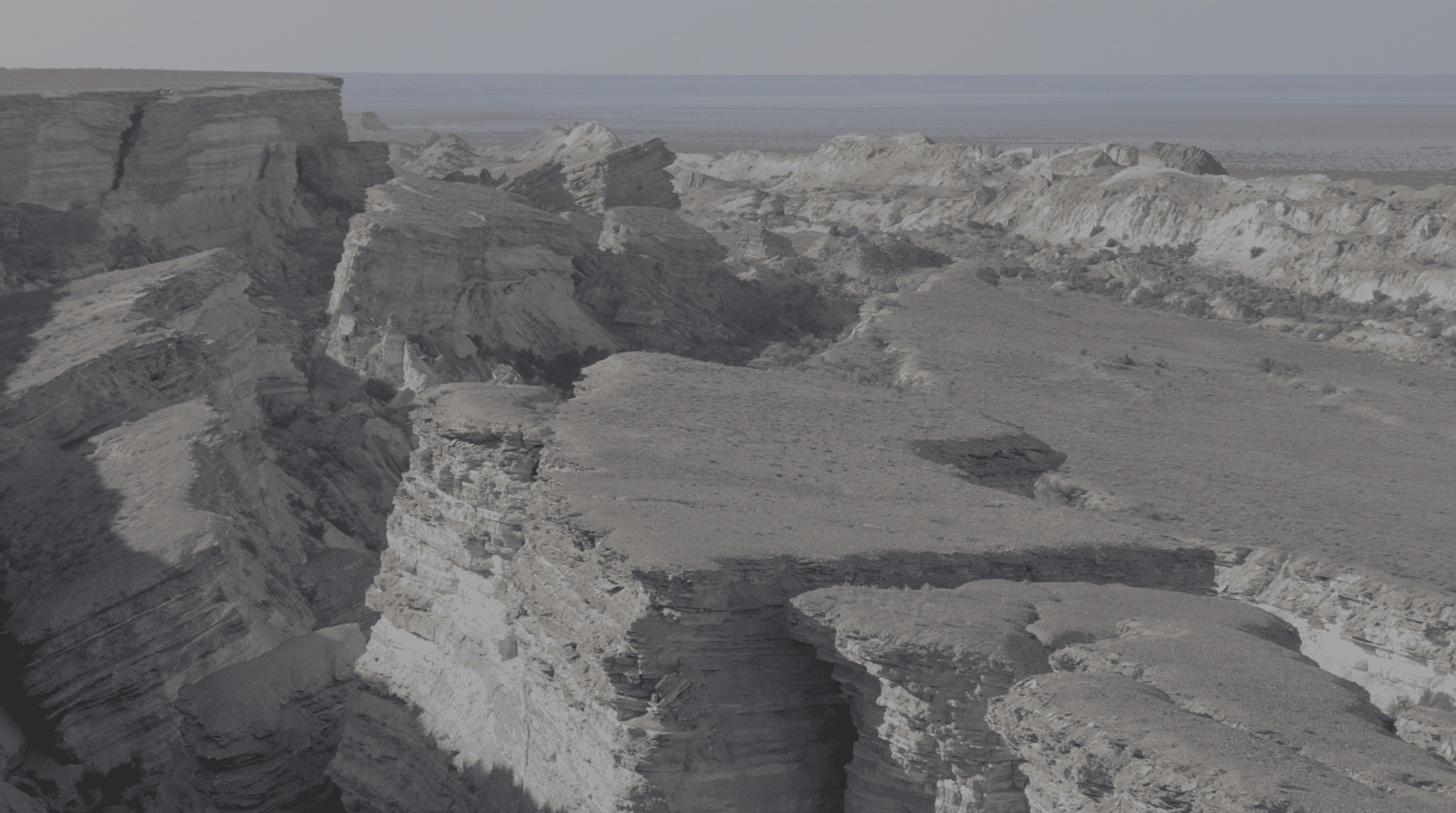
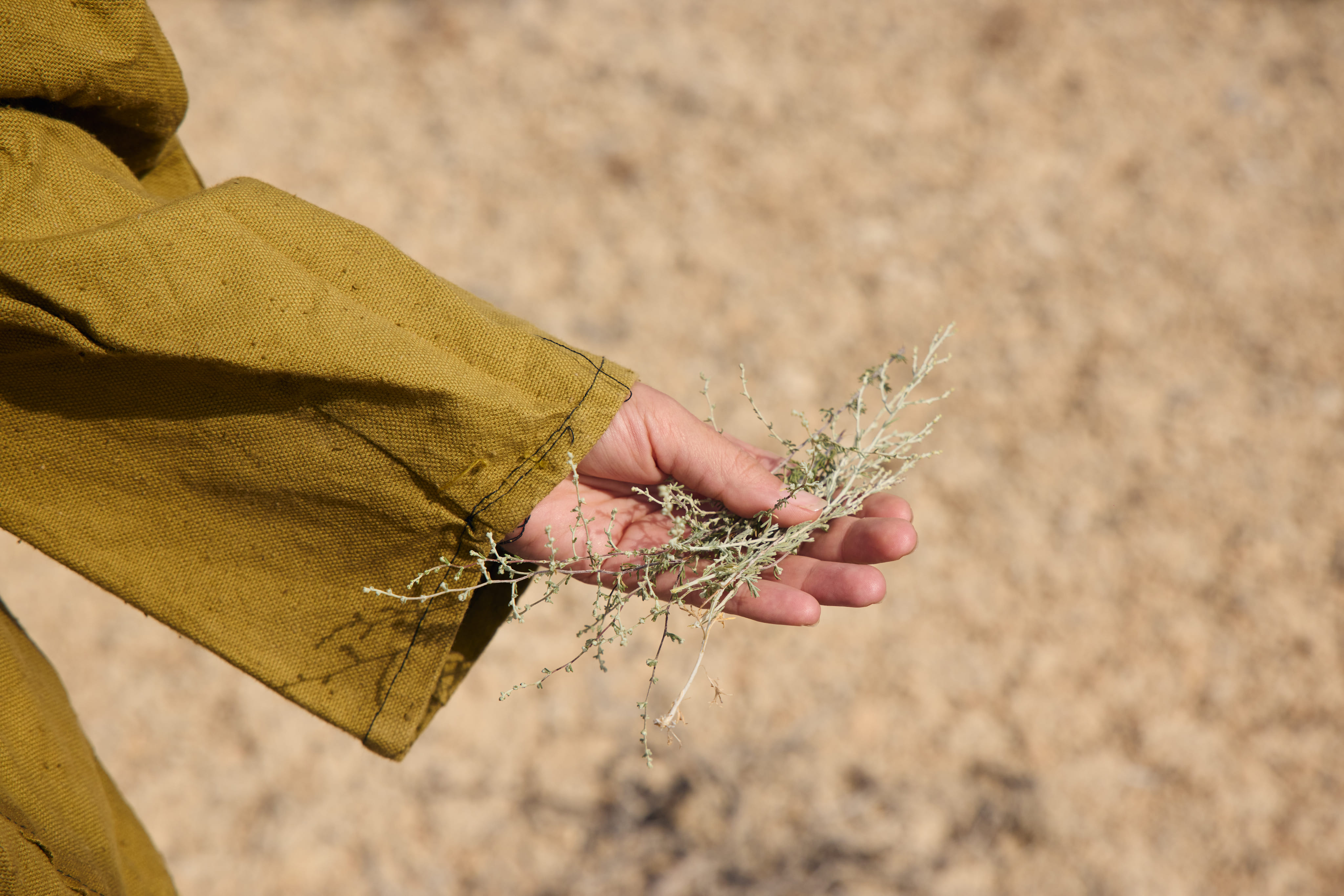
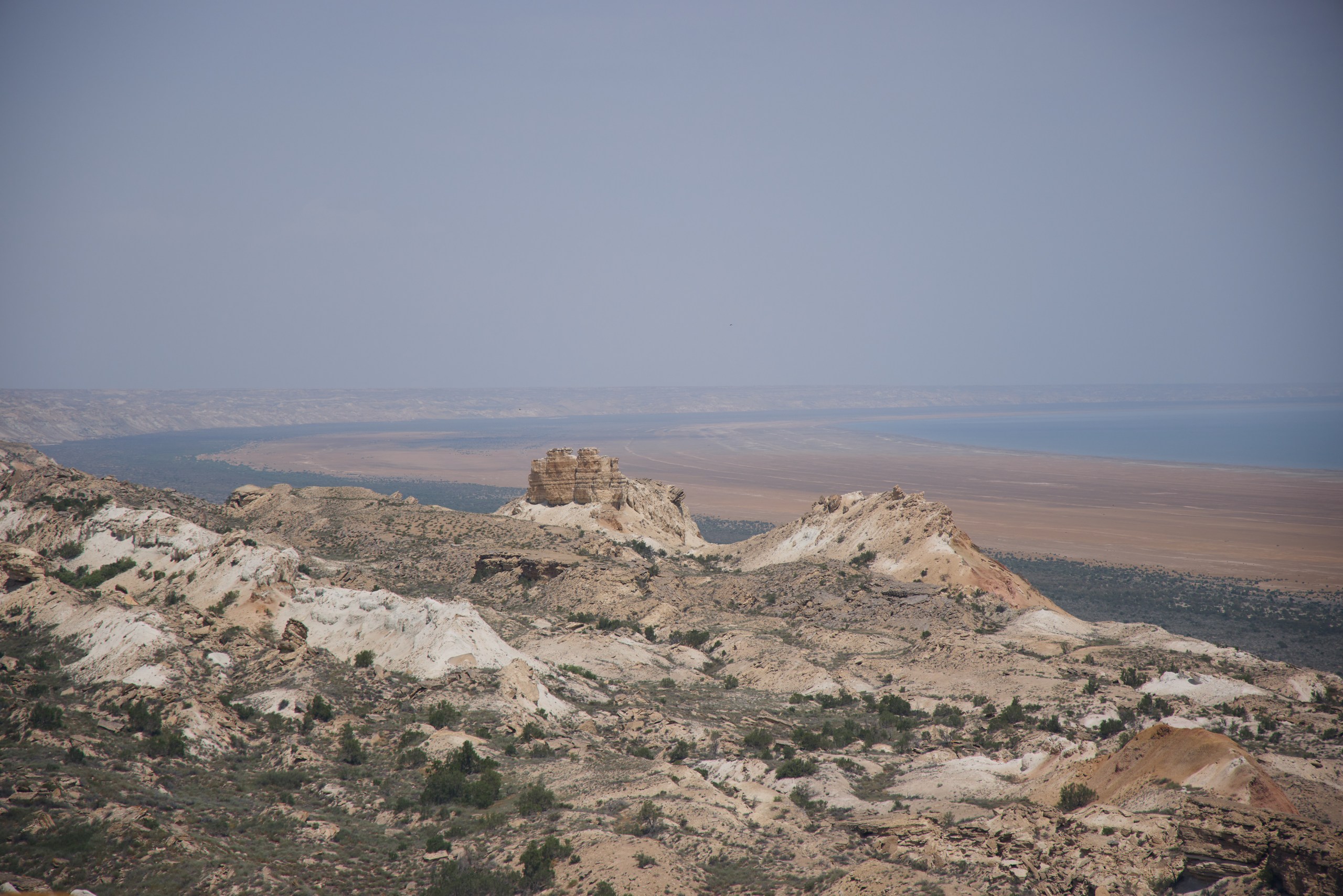
Where the first cohort studied food and water at the scale of the household, the second asks what territory produces this food and water, and what territory they produce in return: soils, hydrology, wind and salt, irrigation and the history of agriculture, and the cultural and social life that a changing landscape shapes.
 1
1
 2
2
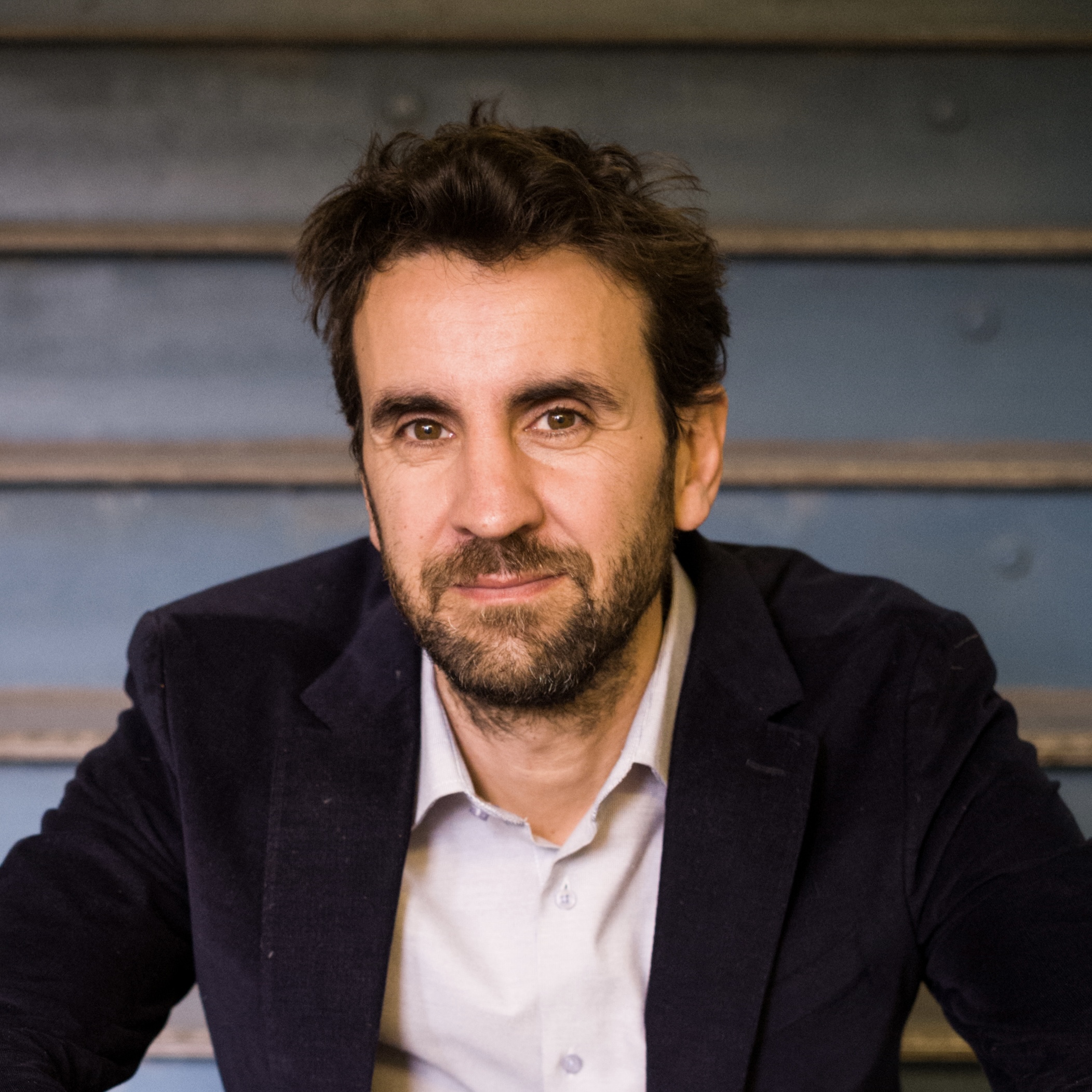
Joseph Grima is an architect, curator and writer based in Milan, whose work over the past two decades has spanned institutional leadership, curatorial practice and design research. From 2017 to 2025 he was Creative Director and Chairman of the Executive Board of Design Academy Eindhoven, where he reoriented one of the world's leading design schools towards a reflection on designs role in responding to ecological and social transformation. Through Space Caviar, the design and research studio he founded, he directed Non-Extractive Architecture, a major international research programme investigating the possibility of building without depleting finite natural resources, and has worked extensively in Central Asia, as curator and designer of the National Pavilion of Uzbekistan at the Venice Biennale and of The Man from Kwarizm at the Centre for Contemporary Art in Tashkent.
He has curated numerous international biennials and triennials, including the inaugural Chicago Architecture Biennial in 2015 and the first Walker Art Center Design Triennial, Beyond Materialism, opening in October 2026. With Valentina Ciuffi he co-founded Alcova, the itinerant platform for independent design that has grown from a single Milanese venue into one of the defining events of the international design calendar, and he was previously Editor in-Chief of Domus and Chief Curator of Design at Triennale Milano.
Who can apply
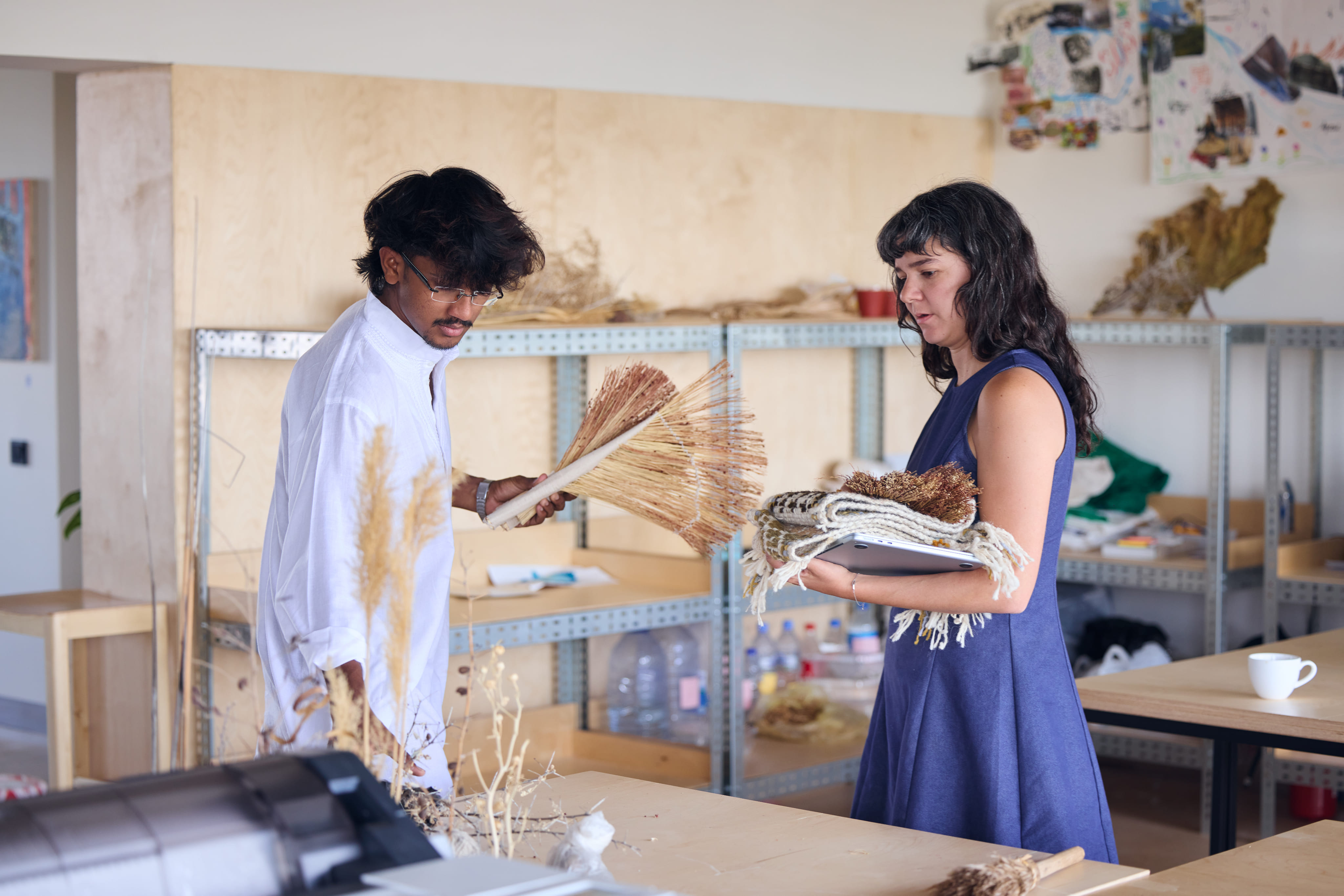
The multidisciplinary programme is aimed at young professionals from Uzbekistan and abroad with varied backgrounds and work experience in the fields of architecture, urbanism, environmental science, biotech, climate studies, filmmaking, media, crafts, design, computer technologies, social studies, physical sciences and other fields.
It is recommended that applicants to the programme have a higher education diploma (in any specialisation) and no less than 2–3 years of work experience.
When reviewing applications, we focus on how potential researchers could apply their expertise to the research agenda of the programme and current theme.
No tuition fee
Prototyping, material costs, research trips and accommodation are included
Monthly participation stipend
Visibility and exposure to global and local creative network
Contact with international experts on a 1-1 basis
Publication of the cohort developments and outcome in a respective print format
A growing cohort of Aral School alumni, who remain connected in the future
Completed higher education
2–3 years of work experience
Fluency in English
High level of motivation and self-organisation
Upon applications and portfolio review, selected candidates will be invited for a creative interview session to share their areas of interests and motivations.
Please submit the following documents together with your application:
CV + Creative Portfolio (PDF, not exceeding a total of 10 pages and 5 projects) – your portfolio should contain examples of projects and/or research work completed in the last few years and demonstrate your skills and expertise as well as interest in the themes of focus of the Aral School. Please embed any video material within the Portfolio PDF
Recommendation letter
Copy of a university diploma
Motivation letter – please explain in no more than 500 words why you are interested in the program and how it connects to your area of research or practice
Passport photo page scan.
Please note, only fully completed applications as per the list above will be considered.
FAQ
There are no tuition fees. Education at the Aral School is free. All students receive a monthly stipend.
Upon graduation, you will receive a Certificate of Participation signed and stamped by Uzbekistan Art and Culture Development Foundation.
The Aral School is a multidisciplinary programme. We welcome specialists from diverse backgrounds.
For the participants coming from outside of Nukus the School will provide shared accommodation.
Aral School provides a monthly stipend to cover most of your living expenses. Apart from your personal expenses, there are no additional programme-related costs you need to cover. Any field trip expenses as part of the programme will also be covered by the School.
The working language of the programme is English; all workshops and projects are conducted in English, so fluency is essential. Please note that the programme runs at a fast pace with many international experts, and you need to be able to communicate fluently in English on a daily basis and take part in weekly creative discussions.
Yes, it is mandatory to be fully present in Uzbekistan and take part in all activities on-site in a creative and immersive environment. Since the programme is focused on highly contextual prototypes and scenario planning, it also includes ongoing research, conversations, and field trips in and around Nukus city.
Yes, the programme is full-time. Classes and workshops take place daily from Monday to Friday during regular working hours. Depending on the week, the programme may also include additional cultural and social activities.
We strongly advise against combining the Aral School with any other educational or work-related duties.
You can follow us on Instagram and subscribe to our newsletter to stay updated about the School.
About ACDF
The Aral School is an initiative of the Uzbekistan Art and Culture Development Foundation (ACDF).
The Uzbekistan Art and Culture Development Foundation (ACDF) preserves, promotes and nurtures Uzbekistan's heritage, arts and culture. Founded in 2017 and led by chairperson Gayane Umerova, ACDF drives the country's cultural ecosystem and creative economy, creating opportunities for practitioners locally, regionally and globally.
To date, ACDF has reached over 5 million visitors through landmark exhibitions worldwide, with projects in more than 17 countries and collaborations with over 40 international institutions including the Louvre and Arab World Institute in Paris, the Uffizi in Florence, the British Museum in London and the Palace Museum in Beijing.
ACDF spearheaded the Bukhara Biennial which drew over 1.8 million visitors to its 2025 inaugural edition, with the next edition running 3 September–21 November 2027. It also oversees the Aral Culture Summit, uniting global experts on ecological and cultural renewal, with its second edition set for spring 2027. In Samarkand, ACDF hosted the 43rd session of the UNESCO General Conference (30 October–13 November 2025), underscoring Uzbekistan's role in global cultural heritage dialogue. Capacity-building remains central to ACDF's mission, with artist residency and curatorial programmes running in Tashkent, Samarkand and Bukhara, alongside the Aral School in Nukus, a new ecological education initiative.
Internationally, ACDF has commissioned the Uzbekistan Pavilion at the Venice Biennale Arte and Architettura since 2021 - most recently The Aural Sea (2026) - as well as Uzbekistan's participation in Expo 2025 Osaka. It has also overseen When Apricots Blossom at Milan Design Week 2026 and Instruments of the Mind at Palazzo Franchetti in Venice (open until November 2026), and is partnering with London's Science Museum to spotlight the scientific contributions of Islamic cultures.